
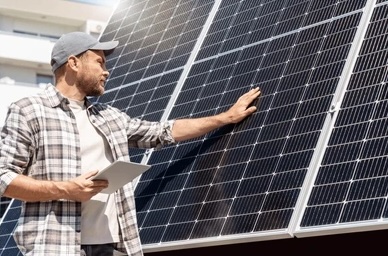
Solar panel maintenance in NSW is not a one-size-fits-all schedule because local weather conditions, installation design, and system age all influence how often a solar panel system needs attention. Australian summers, coastal salt, dust, debris, vegetation growth, and seasonal storms create real impacts on efficiency that accumulate quietly over time, especially on roof-mounted and ground-mounted solar PV system designs. Even small layers of dirt can alter performance ratio, contribute to shading losses, or allow micro-cracks and thermal shock to go unnoticed until solar power drops appear in your monitoring system or inverter fault codes begin to surface.
NSW solar systems operate under some of the harshest conditions in the country. Storm damage, bushfire ash, pollen, and long dry periods with heavy dust loadings all increase the need for periodic solar panel servicing. These conditions affect electrical components, solar inverters, and battery systems as much as the solar array itself, which is why Australian Standards and the Clean Energy Council both view routine maintenance as a core part of responsible system ownership rather than an optional extra.
Most solar panel maintenance intervals fall between yearly and once every two years, depending on exposure, panel design such as glass on glass panels or solar roof tiles, nearby vegetation, and the installation environment. Residential systems on quiet suburban roofs may require less frequent cleaning, while commercial solar panel pv systems with higher loads, more complex monitoring software, and more frequent shading or debris build-up typically benefit from tighter maintenance plans.
What a Proper Solar Panel Service Includes
A proper solar panel servicing appointment focuses on the condition, safety, and performance of the entire solar panel system rather than just the panels themselves. A licensed A Grade electrician inspects the solar array for dirt, debris, shading impacts, cracks, micro cracks, snail trail, and sodium enrichment, then checks the mounting hardware to confirm the roof mounted or ground mounted structure is secure and compliant with Australian Standards including AS/NZS 5033.
Isolators, cabling, and other electrical components are tested to rule out thermal shock damage, water ingress, or any fault code risks that could trigger electric shock hazards or inverter fault codes later. The solar inverter is assessed for performance degradation, firmware behaviour, and correct communication with your monitoring system such as SmartPVMS, FusionSolar App, or other monitoring software. If the system includes a battery system, the technician reviews charge and discharge behaviour to ensure the solar battery is operating within safe parameters.
The service concludes with performance testing to confirm the system’s efficiency, performance ratio, and overall health, supported by monitoring data from the solar PV system for accurate performance tracking.
Why Professional Servicing Protects Your Warranty
Most warranty documents for solar panels, inverters, and battery systems require evidence of regular solar panel maintenance carried out by a licensed A Grade electrician or SAA accredited installer. Without this, manufacturers can void industry leading warranties and workmanship warranty claims if faults are linked to neglect, poor cleaning techniques, or non compliant work.
Issues like water ingress in isolators, damaged electrical components, deteriorated cabling, micro cracks from thermal shock, or inverter fault codes caused by dirt and debris are all commonly rejected when there is no documented solar panel servicing or maintenance plan. Professional servicing ensures the solar panel system complies with Australian Standards, the Clean Energy Council, Australian Consumer Law, and relevant safety bodies such as Energy Safe Victoria and the Electrical Safety Office, which protects both your warranties and your legal rights.
How Often Solar Batteries and Inverters Need Maintenance
Solar inverters and battery systems require their own maintenance schedule because they are the most active electrical components in a solar panel system. Most manufacturers recommend annual inverter testing to check for inverter fault codes, performance degradation, thermal stress, and any early signs of damaged wiring or poor ventilation. Firmware checks are equally important, especially on modern systems using Smart String ESS, SmartDesign 2.0, SmartPVMS, or FusionSolar App, because outdated firmware can cause communication errors, solar power drops, or incorrect monitoring data.
Solar batteries benefit from yearly health checks to verify charge and discharge behaviour, temperature stability, and overall system efficiency. These checks prevent performance ratio losses and ensure the battery system continues operating safely within Australian safety standards and Clean Energy Council expectations. Routine maintenance keeps these components stable, compliant, and able to support the wider renewable energy system without unexpected failures.
When You Should Book a Maintenance Service
A solar panel system should be professionally assessed after any major storm or hail event because storm damage, debris, and sudden weather conditions can create micro cracks, loosen mounting hardware, or affect electrical components. Maintenance is also recommended after roof work, vegetation removal by an arborist, or any changes around the property that may alter shading patterns over the solar array.
If the system has not had formal solar panel servicing within the past twelve to twenty four months, a scheduled check ensures compliance with Australian Standards and protects warranties. It is also best practice to book maintenance before selling a property or after adding a solar battery or upgrading a solar inverter so performance tracking, monitoring data, and all warranty documents remain current and valid.
Solar Water Wind Maintenance Service Across NSW
Solar Water Wind provides solar panel maintenance, inverter testing, and full solar panel servicing across Sydney, the Central Coast, Newcastle, the Hunter Valley, and surrounding regions. Our team of licensed A Grade electricians and solar installers handle residential and commercial solar PV systems, roof mounted and ground mounted arrays, and modern renewable energy systems that rely on accurate monitoring data and compliant electrical components.
We work with transparent pricing, fast turnaround times, and strict adherence to Australian safety standards to keep your solar system operating efficiently year round. We are an Australian owned and Australian run business operating for over 15 years installing solar systems across NSW. If you would like a maintenance plan or a routine system check, you can contact us for professional help at any time.


