
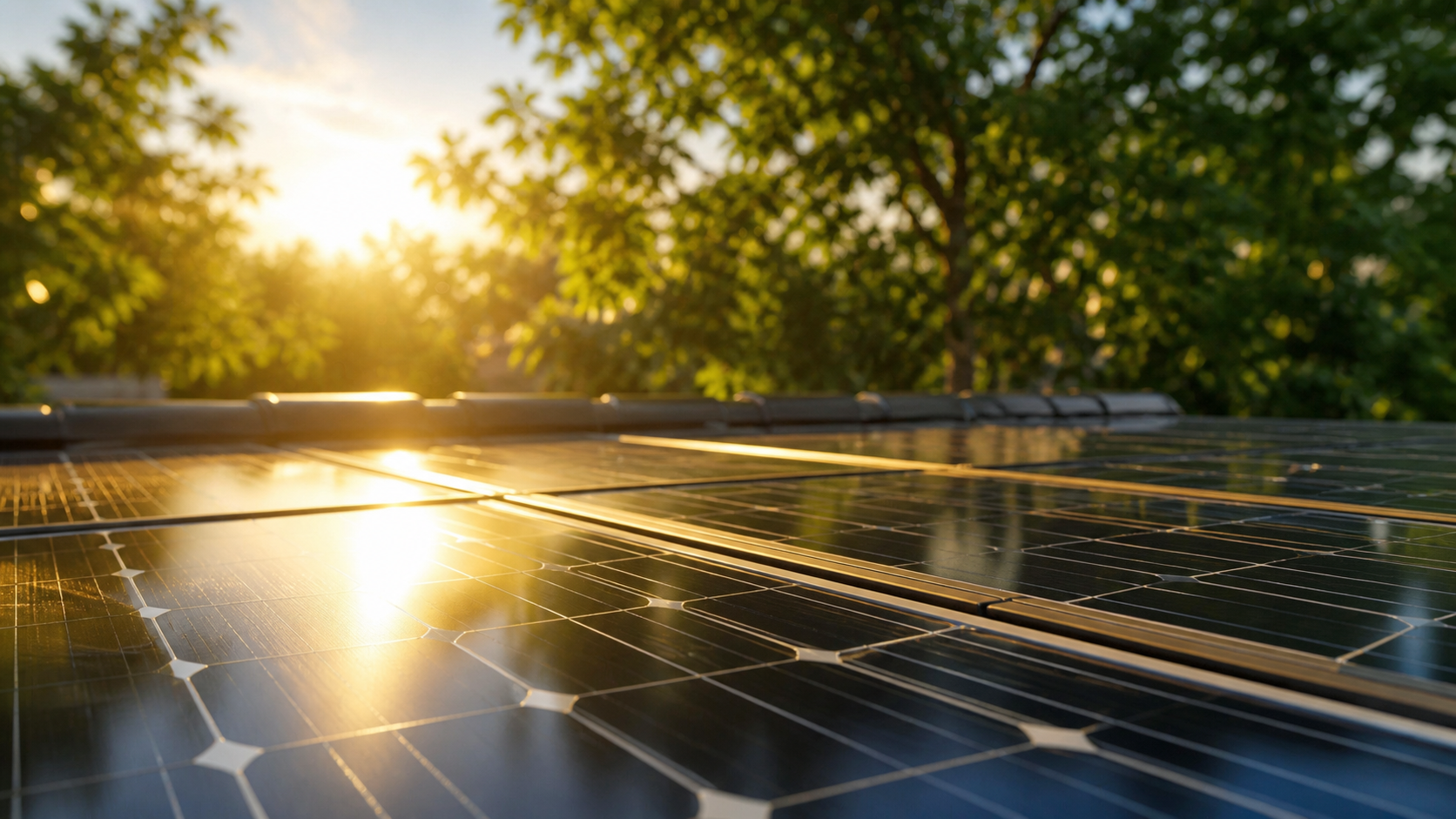
Summer is one of the most productive periods of the year for a solar system, with longer daylight hours creating greater opportunity for solar panels to generate solar energy and increase overall solar production. At the same time, higher temperatures, seasonal changes and heavier household energy consumption can affect how much of that solar power is actually available to reduce electricity use from the grid.
The lead up to summer is therefore a useful time to check that your solar PV system is operating as expected and making the most of the available solar energy source. Strong solar output depends on more than sunshine alone, and existing performance issues, changes in energy usage or reduced solar efficiency can become much more noticeable once summer demand increases.
Check Whether Your Solar System Is Producing What It Should
Before summer arrives, it is worth knowing what normal solar production actually looks like for your system. A monitoring app can give a useful indication of daily and monthly solar output, but individual days are not particularly meaningful on their own. Cloud cover, seasonal changes and shorter daylight hours can all affect solar PV output, so the more useful comparison is how the system is performing across similar periods and weather conditions. If generation is consistently lower than it was at the same time in previous years, or the usual production pattern has changed without an obvious reason, it may be worth looking more closely.
Electricity bills can provide another clue, particularly where energy consumption has remained relatively stable. A gradual increase in electricity being imported from the grid, despite similar household usage, can indicate that the solar system is contributing less than it once did. Conversely, an unusually high bill does not automatically mean the solar panels are underperforming, as changes in tariffs, air conditioning use or other electric appliances can alter energy costs considerably. Looking at solar monitoring alongside the bill gives a much clearer picture than relying on either one alone.
What is more important is recognising a change that cannot easily be explained by weather or household energy usage. Reduced solar output may be caused by something relatively simple, or it may be the first indication of a developing inverter, panel, electrical or monitoring system issue. Identifying that change before the strongest summer generation period begins gives the system the best opportunity to make use of the longer daylight hours ahead.
Why Heat Can Expose Existing Solar System Problems
More sunshine does not always mean greater solar efficiency. Solar panels generally produce more energy across summer because of the longer daylight hours, but very high temperatures can reduce the efficiency of the panels themselves. The same heat also places greater thermal stress on the inverter and other electrical components within the solar system, particularly when they are already ageing, poorly ventilated or operating close to their limits.
This is where an issue that has gone largely unnoticed through cooler weather can become more obvious. An inverter that has previously been operating without difficulty may begin reducing its output to protect itself from excessive heat, while more significant temperature problems can contribute to automatic shutdowns or intermittent faults. Existing weaknesses in connections, wiring or other components can also become more apparent as the solar PV system spends longer periods operating under high generation and high temperature conditions.
For homeowners, the result may not be a complete system failure. It can instead appear as periods of reduced solar output, unexpected interruptions in the monitoring app or solar production that drops away during parts of the day when generation would normally be strong. Summer heat does not necessarily create the underlying problem, but it can reveal where a solar setup is no longer performing as reliably as it should.
Could Your Electricity Use Have Outgrown Your Solar System?
A solar system is usually designed around the household’s electricity use at the time it is installed, but that pattern can change considerably over the life of the system. Additional air conditioning, a pool pump, an electric hot water system, heat pump heating, a larger household or the addition of an electric vehicle can all increase energy consumption without anything being wrong with the solar PV system itself.
The timing of that electricity use matters as much as the amount. New electric appliances that operate during daylight hours can absorb more of the solar energy being produced, while heavier evening consumption may increase electricity drawn from the grid once solar production has fallen away. EV charging, pool equipment and electric hot water can also create substantial new loads, particularly when several are operating on the same day. A system that once exported a reasonable amount of renewable electricity may therefore have far less surplus solar power available as the household becomes more electrified.
This can become particularly noticeable during summer, when air conditioners and pool pumps are used more frequently and energy usage can change quickly. If energy bills have increased despite the solar system continuing to produce normally, the issue may no longer be solar performance but whether the existing solar setup still reflects how the household uses electricity today. In that situation, reviewing the system as a whole can help determine whether changes to solar capacity, battery storage or the way major loads are managed would provide better value than simply assuming the existing installation is underperforming.
Why A Pre Summer Solar Inspection Can Be Worthwhile
A solar system can appear to be operating normally while still developing faults that are difficult to identify from the ground or through a monitoring app. Cracked or damaged solar panels, bad cabling, loose electrical connections, isolator problems, water getting in, and early signs of parts failing may not cause a clear drop in solar power right away. This is especially true if the system still produces power each day.
Regular maintenance and cleaning also play an important role in keeping the solar PV system performing as intended. Dust, dirt, bird droppings and other debris can gradually reduce the amount of sunlight reaching the panels, while routine maintenance gives a professional the opportunity to inspect the condition of the panels, rooftop components, electrical connections and inverter at the same time. Cleaning alone will not correct an underlying fault, but combining it with a proper inspection can help identify problems before they begin costing the household meaningful solar output.
This becomes particularly important before summer, when longer daylight hours give the system its greatest opportunity to generate solar energy. It is also the period when the system may be exposed to higher temperatures, summer storms, heavy rain and lightning activity. Finding maintenance or performance issues before peak generation begins can help avoid losing some of the most valuable solar production of the year and gives the system a better chance of entering summer operating as efficiently and reliably as possible.


